
DEA Administrator on Record Fentanyl Overdose Deaths
For Americans age 18-45, the leading cause of death is fentanyl overdose. The addictive drug is responsible for nearly 70% of the United States’ 107,000+ drug overdose deaths in the past year and is 50 times stronger than heroin and 100 times stronger than morphine. DEA Administrator Anne Milgram addresses its origin, appearance and composition, and distribution in the United States.
https://www.getsmartaboutdrugs.gov/media/dea-administrator-record-fentanyl-overdose-deaths
https://www.dea.gov/fentanylawareness
Fentanyl Facts Flashcards: Fentanyl Crisis Facts Flashcards | Quizlet
Educate yourself through Fentanyl Documentaries on YouTube: https://www.youtube.com/results?search_query=fentanyl+documentaries
https://www.youtube.com/@TexasPictures/videos
Nitazenes: New Opioids Called Nitazenes May Be 20 Times Stronger Than Fentanyl (healthline.com)
Xylazine: What You Should Know About Xylazine | Drug Overdose | CDC Injury Center
Carfentanyl: Carfentanil vs Fentanyl: Which is more dangerous? (drugs.com)
Criminal organizations, including Mexican drug cartels, have increasingly turned to social media as tools for intimidation, extortion, and propaganda. Let me share some insights on this topic:
- Cartels and Social Media:
- As the drug war escalated, cartels and their affiliates adapted to the digital age. They now utilize social media platforms to achieve their objectives.
- These criminal groups share posts and videos to recruit members and instill fear in their enemies1.
- Cartels have learned to exploit the widespread use of social media to extend their reach across international borders, making it easier for them to demand money and menace those who oppose them.
- Extortion and Threats:
- A chilling example comes from a woman named Mariana. She received a threatening message over Facebook Messenger after her brother was kidnapped by a criminal group in Mexico.
- The person with a horse head profile picture demanded a significant sum of money, threatening to kill her brother if they didn’t pay immediately1.
- This incident highlights how cartels use social media to extort victims and spread fear.
- Narcocultura:
- In Mexico, this phenomenon is known as “Narcocultura.” It refers to the process by which people involved in the drug trade gain social legitimacy and acceptance through online narratives about their activities2.
- Cartels create fake accounts, post hit lists, and use nicknames and crude language to describe their targets on platforms like Facebook and WhatsApp1.
- Weaponizing Social Media:
- Similar to ISIS, Mexican drug cartels and other violent criminal gangs have weaponized social media.
- They use the Internet to intimidate, stalk, and extort their victims. Some cartels even have vast social media followings3.
In summary, social media has become a powerful tool for criminal organizations, allowing them to extend their influence, spread fear, and carry out their illicit activities. It’s a concerning trend that authorities and platforms need to address.
How Predators Have Infiltrated Social Media | The Innocent Lives Foundation
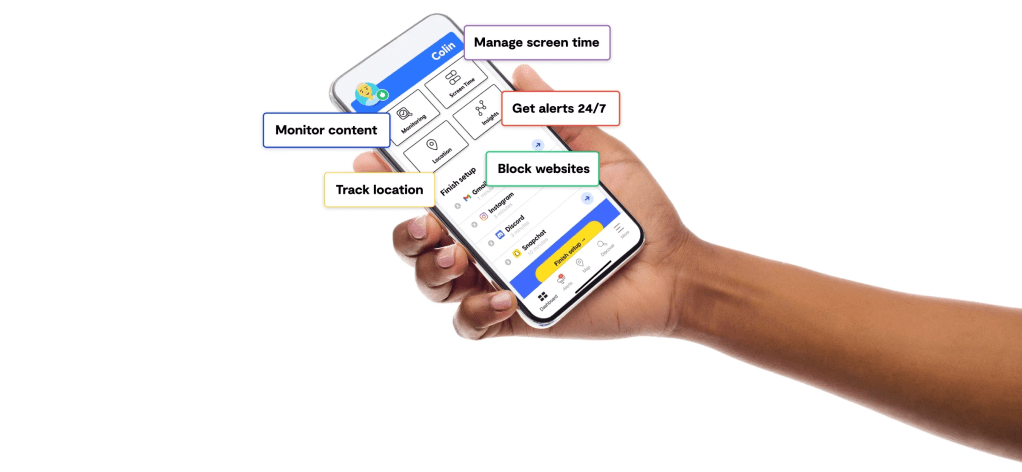
A Prominent App to monitor and protect your kids online: https://www.bark.us/
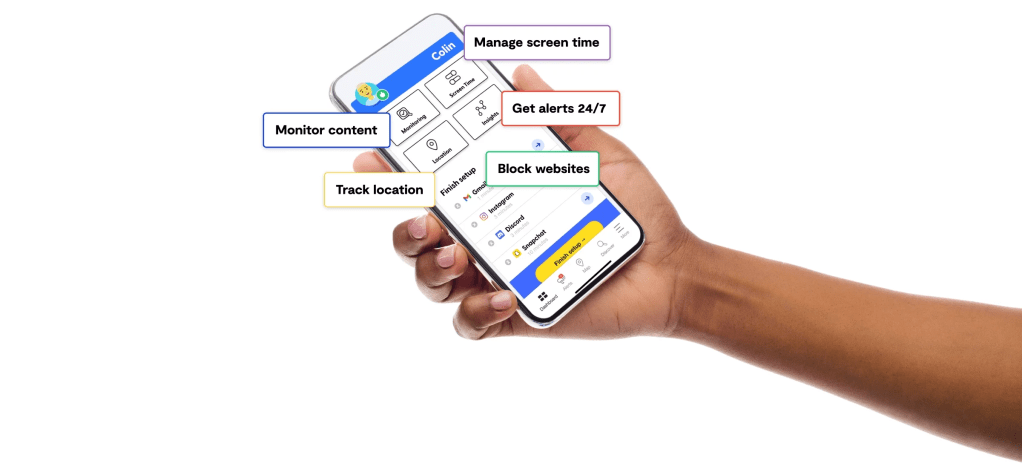
Beyond the App: A Holistic Approach to Child Online Safety
In the ever-expanding digital landscape, protecting children from online dangers has become a paramount concern for parents. Applications like Bark.us, which scan texts and social media posts for signs of cyberbullying and predator activity, offer a tempting solution. However, while these apps can be valuable tools, a comprehensive approach that prioritizes education, awareness, and open communication remains the most effective strategy for safeguarding children in the online world.
Firstly, relying solely on monitoring apps creates a false sense of security. These applications primarily focus on identifying keywords and phrases associated with threats. They can miss more nuanced language, visual cues, or even the emotional undertones of a situation. Furthermore, dependence on an app can undermine the development of critical thinking skills crucial for navigating online challenges independently.
Secondly, fostering open communication between parents and children is essential. Children who feel comfortable talking to a trusted adult about their online experiences are more likely to seek help if they encounter cyberbullying, predators, or other dangers. Open communication allows for early intervention and empowers children to make informed decisions online.
Thirdly, prioritizing digital literacy education equips children with the knowledge and skills to navigate the online world safely. This education should cover topics like responsible online behavior, identifying and avoiding suspicious content, and online privacy settings. By understanding the potential risks and how to mitigate them, children become more resilient and self-assured online.
Fourthly, parental involvement extends beyond direct conversations. Parents can explore online platforms and social media apps their children use. Familiarizing themselves with the environment allows for more targeted discussions about potential risks and safety features. Additionally, participating in online activities together can create shared experiences and opportunities for open discussion about online behavior.
Fifthly, utilizing built-in parental control features offered by devices and social media platforms can be an additional layer of protection. These features often allow parents to manage screen time, restrict access to inappropriate content or apps, and enable reporting tools.
Finally, collaboration with schools and communities plays a crucial role. Schools can integrate digital literacy education into their curriculum, while communities can organize workshops or seminars for both parents and children on online safety. Establishing a network of support empowers everyone involved to create a safer online environment for children.
In conclusion, while apps like Bark.us offer a valuable tool for parental vigilance, a more comprehensive approach is necessary. By prioritizing open communication, digital literacy education, parental involvement, and utilizing available control features, we can empower children to become responsible digital citizens. Ultimately, fostering a culture of awareness and open communication is the most effective way to ensure children navigate the online world with confidence and safety.
A Safety Net and a Safety Talk: Why Bark.us Complements, Not Replaces, Open Communication
The digital age presents a double-edged sword for our children. While they connect and explore, they also face unseen dangers like cyberbullying and online predators. Apps like Bark.us emerge as a potential solution, but are they enough? Absolutely not. However, Bark.us can be a valuable tool when used alongside open communication and digital literacy education.
Firstly, Bark.us acts as a safety net. It scans texts and social media for concerning keywords, acting as an extra set of eyes when parents can’t be constantly monitoring. This can be particularly helpful for busy parents or teenagers who might be hesitant to directly express concerns about online threats. An alert from Bark can spark a conversation, allowing parents to intervene before a situation escalates.
Secondly, Bark.us can help identify blind spots. Digital communication today uses slang, emojis, and coded language that might go unnoticed by an adult. Bark.us, with its focus on identifying concerning themes within these messages, can alert parents to potential issues they might otherwise miss. This can be a crucial first step in opening a dialogue about what’s happening online.
However, Bark.us is not a replacement for open communication. The ideal scenario is a child who feels comfortable talking to their parents about anything they encounter online. Apps like Bark.us can be a conversation starter, but real safety comes from fostering trust and open communication.
Finally, digital literacy education taught in schools plays a vital role. Empowering children to recognize risky situations online, manage their privacy settings, and report inappropriate behavior equips them to navigate the digital world safely. Bark.us complements this education by providing an additional layer of protection in case a child misses a red flag.
In conclusion, Bark.us serves as a valuable tool for parental vigilance, supplementing open communication and digital literacy education. It acts as a safety net and conversation starter, not a replacement for deeper conversations and responsible online behavior. By using a combination of approaches, we can create a safer online environment for our children.
Here is a good site to get a coupon for Naloxone/Narcan to protect your kids/family members: https://www.goodrx.com/
Here are direct links to coupons for Naloxone and Narcan:
https://www.goodrx.com/naloxone (Generic Brand: About $47)
https://www.goodrx.com/narcan?label_override=narcan (Name Brand: about $142)
https://www.goodrx.com/narcan?label_override=naloxone (Generic: About $47)
In regards to the above video, I would administer the Naloxone first and then call 9-1-1 for EMS/Ambulance, if I suspected that it was an opiate or fentanyl overdose because if they are not getting oxygen to the brain then talking on the phone could take up precious seconds, then call for an ambulance immediately after. Keep in mind that you may have to administer multiple doses of Naloxone/Narcan to reverse a potent overdose of opiates/fentanyl. Some sources say up to 4 or 5 doses may be needed to reverse a Fentanyl overdose.
Naloxone DrugFacts | National Institute on Drug Abuse (NIDA) (nih.gov)
Can naloxone wear off before the drugs that cause the overdose?
Yes. Naloxone typically wears off in 30-90 minutes and the person can stop breathing again unless more naloxone is available. For this reason, it is safest to call 911 and have the person taken for medical care.
Because Naloxone wears off in 30-90 minutes after administration, the fentanyl can once again stop the person’s breathing. Have multiple doses of Naloxone ready, and inform the Nurses or Doctors in case they are not fully informed or educated about this (as Hospitals have released some victims who have later died after the Naloxone wore off)
Naloxone: Frequently Asked Questions | Anne Arundel County Health Department (aahealth.org)
Carrying naloxone, also known as Narcan, is crucial for anyone who knows someone at risk of an opioid overdose. It can literally save a life. Naloxone is a safe, easy-to-use medication that reverses the effects of an overdose, allowing the person to breathe again. Even a few minutes of delay during an overdose can be fatal. Having naloxone readily available can bridge that gap and offer a second chance.
Additionally, you can call 988 (or visit their website 988lifeline.org) if your friend is struggling with drug addiction, including fentanyl addiction. Here’s why:
- 988 Lifeline is for a variety of mental health crises: This includes substance abuse and addiction. The crisis counselors are trained to listen and offer support, regardless of the specific issue.
- They can help you and your friend: They can provide immediate de-escalation and crisis intervention, as well as connect you with resources for addiction treatment and recovery.
- It’s confidential and free: You don’t need to worry about judgment or cost.
Here’s what to expect when you call 988:
- A trained counselor will answer your call and listen to your concerns.
- They can offer emotional support and guidance specific to drug addiction.
- They might help you develop a safety plan for your friend or suggest resources like treatment centers or support groups.
Additional Resources:
- The National Institute on Drug Abuse (NIDA): https://www.nih.gov/about-nih/what-we-do/nih-almanac/national-institute-drug-abuse-nida
- The Substance Abuse and Mental Health Services Administration (SAMHSA): https://www.samhsa.gov/
Remember, you’re not alone in supporting your Family/friend. Calling 988 is a great first step to get the help they need.
 The American Blog